
Pain Pumps
If you suffer from chronic pain, an implanted pain pump may help deliver medication directly to the area surrounding the spinal cord. Contact us to learn whether this treatment may be appropriate for you.
Pain Pumps in Garden City and Hauppauge, NY
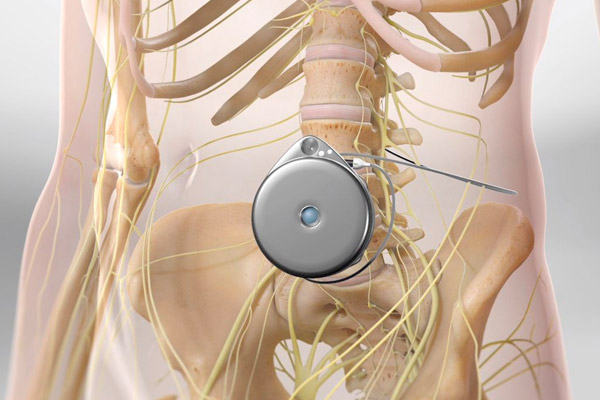
Pain pumps are implanted devices that deliver medication through a small catheter to the fluid-filled area surrounding the spinal cord. Because medication is delivered close to the pain pathways, a much smaller amount may be needed than with some oral medications.
The system includes a small pump placed beneath the skin and a catheter positioned near the spinal cord. The pump is programmed to release a controlled amount of medication over time. This may help provide more consistent symptom management while reducing certain side effects associated with higher-dose oral medication.
Pain pumps are generally considered for selected patients with severe chronic pain who have not received enough relief from conservative treatments, oral medication, injections or other procedures. A complete evaluation is required to determine whether the potential benefits outweigh the risks.
Evaluations are available at our Garden City office, serving Nassau County, and our Hauppauge office, serving Suffolk County.
Could a Pain Pump Help Relieve Your Chronic Pain?
An implanted pain pump may be considered when other treatments have not provided adequate relief or have caused unacceptable side effects. Important parts of the evaluation and treatment process include:
Careful patient selection: The doctor will review your diagnosis, symptoms, medical history, previous treatments and current medications. Pain pumps are not appropriate for every type of pain.
A trial before implantation: A temporary medication trial may be performed to determine whether targeted medication delivery provides meaningful relief and acceptable side effects before a permanent pump is considered.
Minimally invasive placement: The pump is generally placed beneath the skin through a small incision, while a thin catheter delivers medication near the spinal cord. The procedure requires appropriate follow-up and recovery instructions.
Adjustable medication delivery: The pump can be programmed and adjusted by the medical team based on the patient’s response. Patients should never attempt to change the pump or medication settings themselves.
Regular refill appointments: Medication must be refilled at scheduled visits, and the pump must be monitored for proper function. Missing an appointment may create serious health risks depending on the medication being delivered.
Part of a broader treatment plan: A pain pump may be combined with physical therapy, rehabilitation or other pain management treatments. The system may also be removed if it is no longer appropriate.
Frequently Asked Questions About Pain Pumps
What is an implanted pain pump?
An implanted pain pump is a small programmable device that delivers medication through a catheter to the area surrounding the spinal cord. It is also called an intrathecal drug delivery system.
How does a pain pump work?
The pump stores medication and releases a carefully programmed amount through a thin catheter. Delivering medication close to pain pathways may allow lower doses than certain oral medications, although results and side effects vary.
Who may be a candidate for a pain pump?
A pain pump may be considered for selected patients with severe chronic pain who have not improved enough with conservative care, medication, injections or other procedures. A complete medical and psychological evaluation may be required.
Is a trial required before pain pump implantation?
A temporary medication trial is commonly performed before permanent implantation. The trial helps the physician evaluate symptom relief, function and side effects before deciding whether an implanted system is appropriate.
How is a pain pump implanted?
The pump is placed beneath the skin, usually in the abdomen, and connected to a catheter positioned near the spinal cord. The procedure is performed in a surgical setting and requires follow-up care.
How often does a pain pump need to be refilled?
Refill frequency depends on the medication, programmed dose and pump size. Refills are performed during scheduled office visits. Patients must keep these appointments to avoid the pump running out of medication.
Can the pain pump dosage be adjusted?
Yes. A qualified medical professional can adjust the pump’s programming based on symptom relief and side effects. Patients should never attempt to change the pump or take additional medication without medical guidance.
What are the risks of an implanted pain pump?
Possible risks include infection, bleeding, medication side effects, catheter movement or blockage, pump malfunction, spinal fluid leakage and complications related to surgery. Your physician will explain the risks relevant to your health.
Can an implanted pain pump be removed?
Yes. A pump may be surgically removed or replaced if treatment is no longer effective, complications develop, the battery reaches the end of its life or the patient’s medical needs change.
Where can I be evaluated for a pain pump on Long Island?
MK Spine & Joint Rehab evaluates patients at our Garden City office, serving Nassau County, and our Hauppauge office, serving Suffolk County. Both locations welcome patients from throughout Long Island.